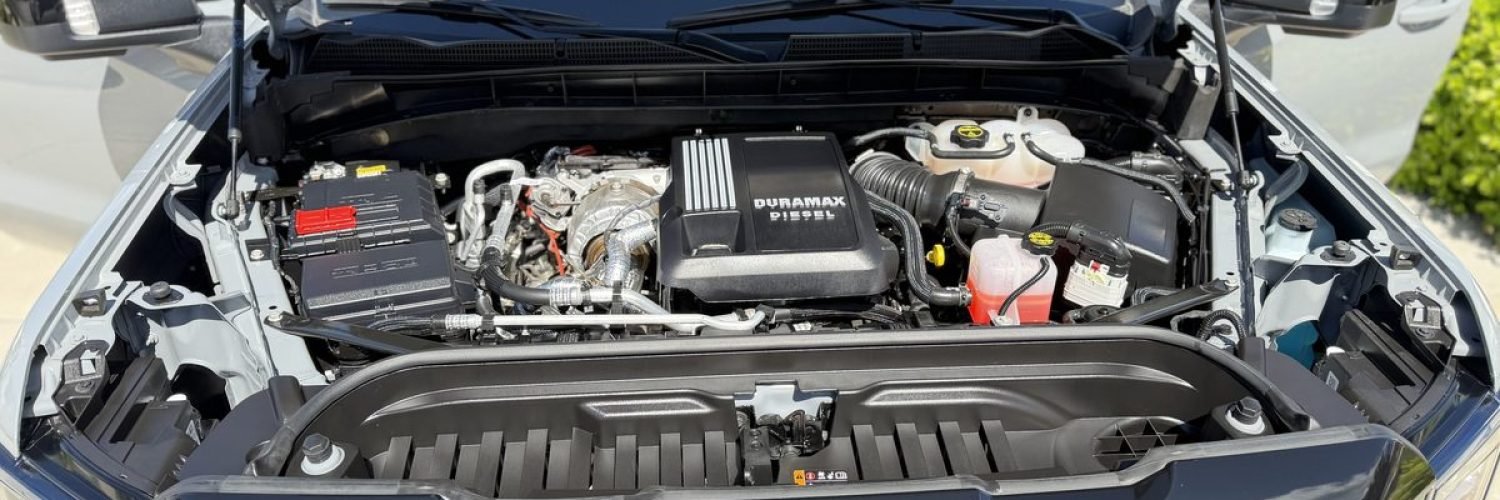
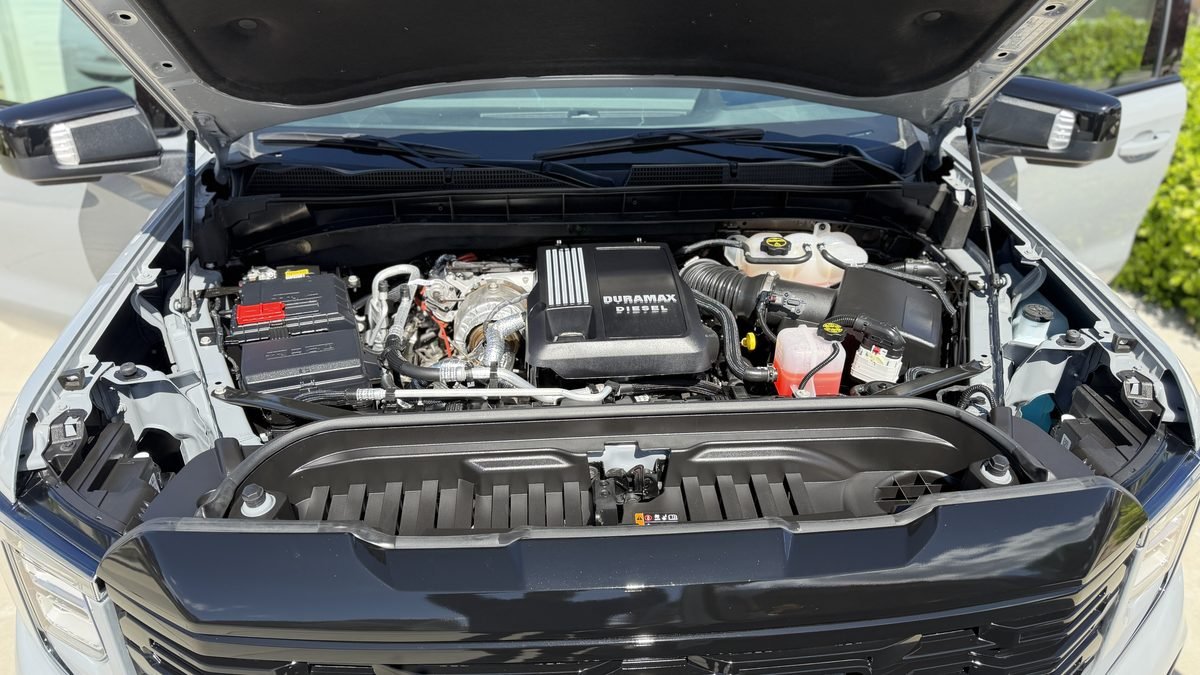
How to clean an engine bay comes down to five things: work on a cool engine, cover the electrical parts, spray a degreaser, scrub with soft brushes, and rinse gently before drying everything. Done this way, it’s safe for almost any car, truck or SUV.
Quick answer: how to clean an engine bay
- Let the engine cool until the hood area is cool to the touch.
- Cover sensitive parts like the air intake, alternator, fuse box and exposed electrical connectors with plastic bags.
- Spray a degreaser from the bottom up and let it sit for a few minutes, without letting it dry.
- Scrub with soft brushes to loosen grease in corners and on plastic covers.
- Rinse with low pressure, then dry with towels or compressed air and finish with a water-based dressing.
Why clean your engine bay at all?
A dirty engine bay isn’t just ugly. Built-up grease and dirt hold heat, hide leaks, and make every repair messier. Here in Utah, winter road salt and summer dust both end up under the hood, and salt left there can speed up corrosion on metal parts and connectors.
A clean engine bay also makes it easy to spot an oil, coolant or power steering leak early, and it makes a big difference when you sell the vehicle. Buyers open the hood, and a clean engine tells them the car was cared for.
What you need to clean an engine bay
- Engine degreaser: a product made for engines. Use a milder, diluted cleaner on plastic and rubber parts.
- Plastic bags and painter’s tape to cover electrical parts and the air intake.
- Soft detailing brushes in a few sizes, plus a long brush for tight spots. Skip wire brushes.
- A garden hose with a spray nozzle on a gentle setting.
- Microfiber towels and, if you have one, a leaf blower or compressed air for drying.
- Water-based plastic and rubber dressing for a clean, non-greasy finish.
- Gloves and safety glasses. Degreasers are strong.
How to clean an engine bay, step by step
Step 1: Let the engine cool down
Never clean a hot engine. Cold water on hot metal can stress parts, and degreaser dries almost instantly on a hot surface, leaving streaks and spots. Give it at least an hour after driving, or do it first thing in the morning.
Step 2: Cover the parts that shouldn’t get wet
Modern engine bays handle rain and road spray, but direct water isn’t good for everything. Cover the air intake or filter box opening, the alternator, the fuse box, and any open electrical connectors with plastic bags and tape. Remove any loose items and old leaves from the cowl area under the windshield.
If you drive a hybrid or electric vehicle, stay away from the orange high-voltage cables and check your owner’s manual before using any water under the hood.
Step 3: Spray degreaser from the bottom up
Lightly mist the bay with water first, then spray degreaser starting at the lowest areas and working up. Going bottom to top stops streaks from running over dry surfaces. Let it sit for a few minutes, but don’t let it dry. If it starts to dry, mist it again.
Step 4: Agitate with soft brushes
Scrub the greasy spots, the plastic engine cover, the inside of the hood edges and the fender areas. Soft brushes loosen grime in corners that spray alone won’t reach. For heavy, caked-on grease, give it a second round of degreaser rather than scrubbing hard.
Step 5: Rinse gently
Rinse with a garden hose on a gentle shower setting. You only need enough water to carry the degreaser away. Don’t blast connectors or the fuse box at close range.
Step 6: Dry everything
Remove the plastic bags, then dry with microfiber towels. A leaf blower or compressed air gets water out of the gaps. Starting the engine and letting it idle for 10 to 15 minutes with the hood open helps dry the last bits.
Step 7: Dress the plastics and rubber
Once everything is dry, apply a water-based dressing to plastic covers and rubber hoses with a towel or applicator. It brings back a clean, satin look without the greasy shine that attracts dust.


What to cover and why
| Part | Cover it? | Why |
|---|---|---|
| Air intake / filter box | Yes | Water pulled into the intake can reach the engine. |
| Alternator | Yes | It’s open to the air and doesn’t like direct spray. |
| Fuse box | Yes | Keep water away from fuses and relays. |
| Exposed connectors | Yes | Water in a connector can cause warning lights. |
| Battery | Optional | Clean the terminals with a dry brush if they’re crusty. |
| Plastic engine cover | No | Safe to clean and dress. |
| Hoses and hood liner | No | Clean gently and rinse lightly. |
Common engine bay cleaning mistakes
- Using a pressure washer up close. High pressure can push water into connectors and strip labels.
- Cleaning a hot engine. The degreaser dries and leaves spots, and hot parts don’t like cold water.
- Letting degreaser dry. Strong cleaners can stain plastic and aluminum if they dry on the surface.
- Using greasy, silicone-heavy shine sprays. They look wet for a day, then hold dust.
- Skipping the drying step. Water left sitting in corners and connectors causes problems later.
Engine bay cleaning FAQ
Is it safe to wash an engine bay with water?
Yes, on most vehicles, as long as the engine is cool, the sensitive parts are covered and you use gentle water pressure. Engine bays are built to handle rain and road spray. Hybrids and EVs need extra care around high-voltage parts.
Can I use a pressure washer to clean my engine?
It’s better not to. A pressure washer used up close can force water into electrical connectors and damage labels and soft parts. A garden hose on a gentle setting does the job.
How often should I clean my engine bay?
Once or twice a year is enough for most drivers. In Utah, a good time is spring, to get the winter road salt off, and again before selling or trading in a vehicle.
What is the best degreaser for an engine bay?
Use a degreaser made for engines and follow the label. Heavy-duty degreasers work on greasy metal, but dilute them or use a milder all-purpose cleaner on plastic, rubber and painted surfaces. Avoid oven cleaner and harsh household chemicals.
How much does professional engine bay cleaning cost in Utah County?
At Cleaner Bros, an engine bay cleaning on its own runs $80 to $140, depending on the vehicle size and how dirty it is. Added to an interior or full detail, it starts at $50. Prices are plus sales tax.


Rather have us do it?
Cleaning an engine bay the right way takes time, the right products and some care around the electrical parts. If you’d rather skip it, our team comes to your home or work anywhere in Utah County and cleans it for you. You only pay after the job is done.
See our engine bay cleaning service, add it to an interior detail or full detail, or book online. Questions? Call or text us at (385) 375-7652.